Booz Allen
Virtual reality military training system
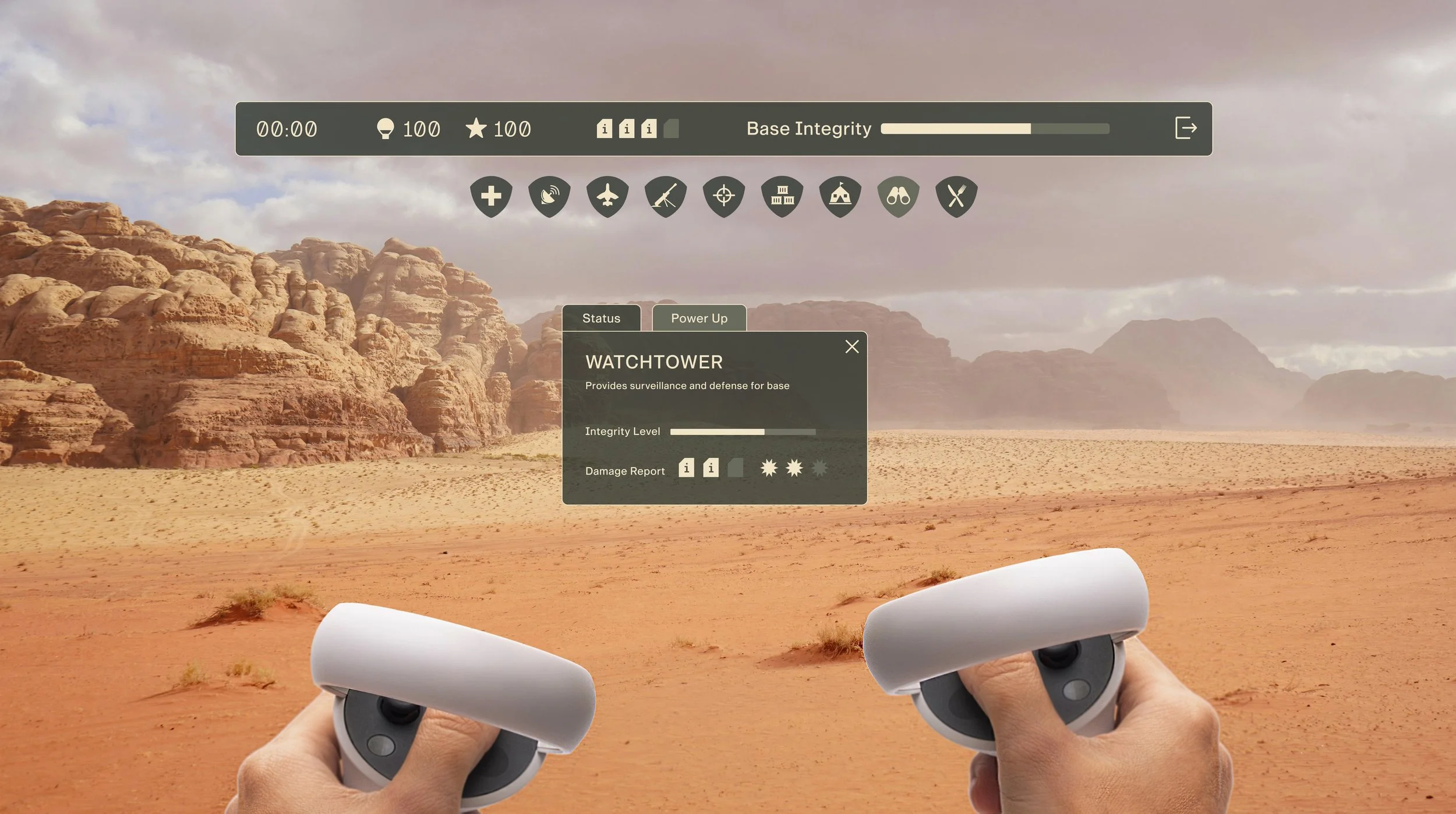
Impact

Reduced training expenses by up to 99% relative to conventional training methods

Reduced cognitive load during training sessions through gamification, building procedural confidence

Enhanced situational awareness and decision support in complex operational environments
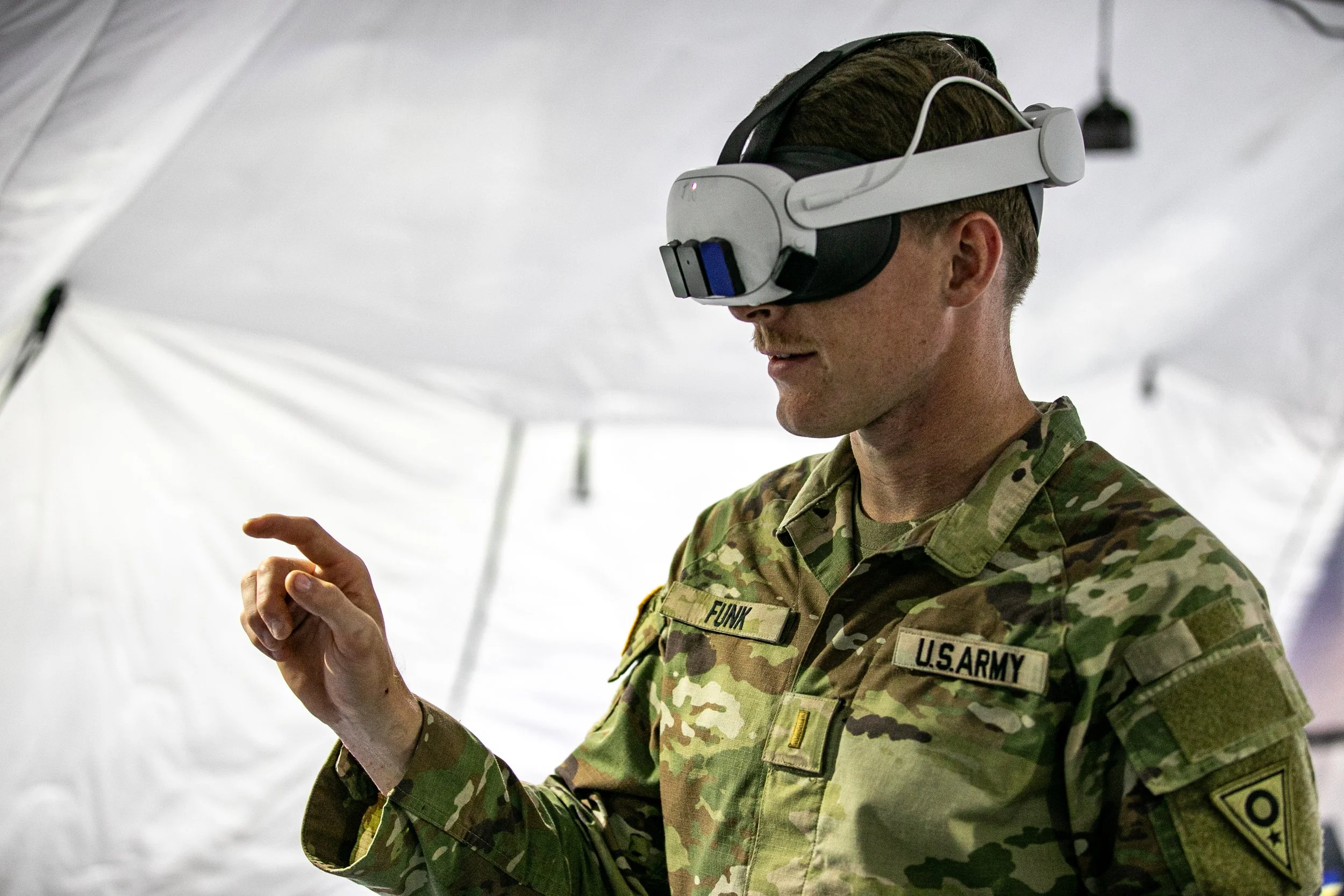
Image courtesy of DVIDS / U.S. Army
Some details of this project have been redacted in order to meet confidentiality requirements.
Using immersive simulation to sharpen decision-making in complex operational scenarios
Background
When I came on board, the team was already well into development. As I reviewed the existing product and the roadmap ahead, a gap became clear: there had been very little user research conducted before or during the build. Decisions about training flows, interface design, and feature prioritization had largely been made without direct input from the people who would actually use the system.
My Role
My work spanned two tracks: designing interface components for the VR experience itself, and introducing a user research practice to a project that had largely been built without one. Given the sensitivity of the client context and the access constraints typical in defense work, I designed a targeted interview process focused on what we could learn quickly and apply concretely.
Research Approach
I scheduled in-person interviews on a military base and met with military training officers responsible for structuring and implementing training programs, and soldiers who would be the end users of the system. They walked me through their current training materials and viewed our current prototype.
Key Findings
Training officers described a familiar set of constraints: classroom time was limited, younger trainees struggled to stay engaged, and access to real military systems was rarely guaranteed. Soldiers would only be able to be in the headset for 15 minutes at most, and it was possible that not everyone would be able to use it.